people video thumbnail

Meanings beyond technology

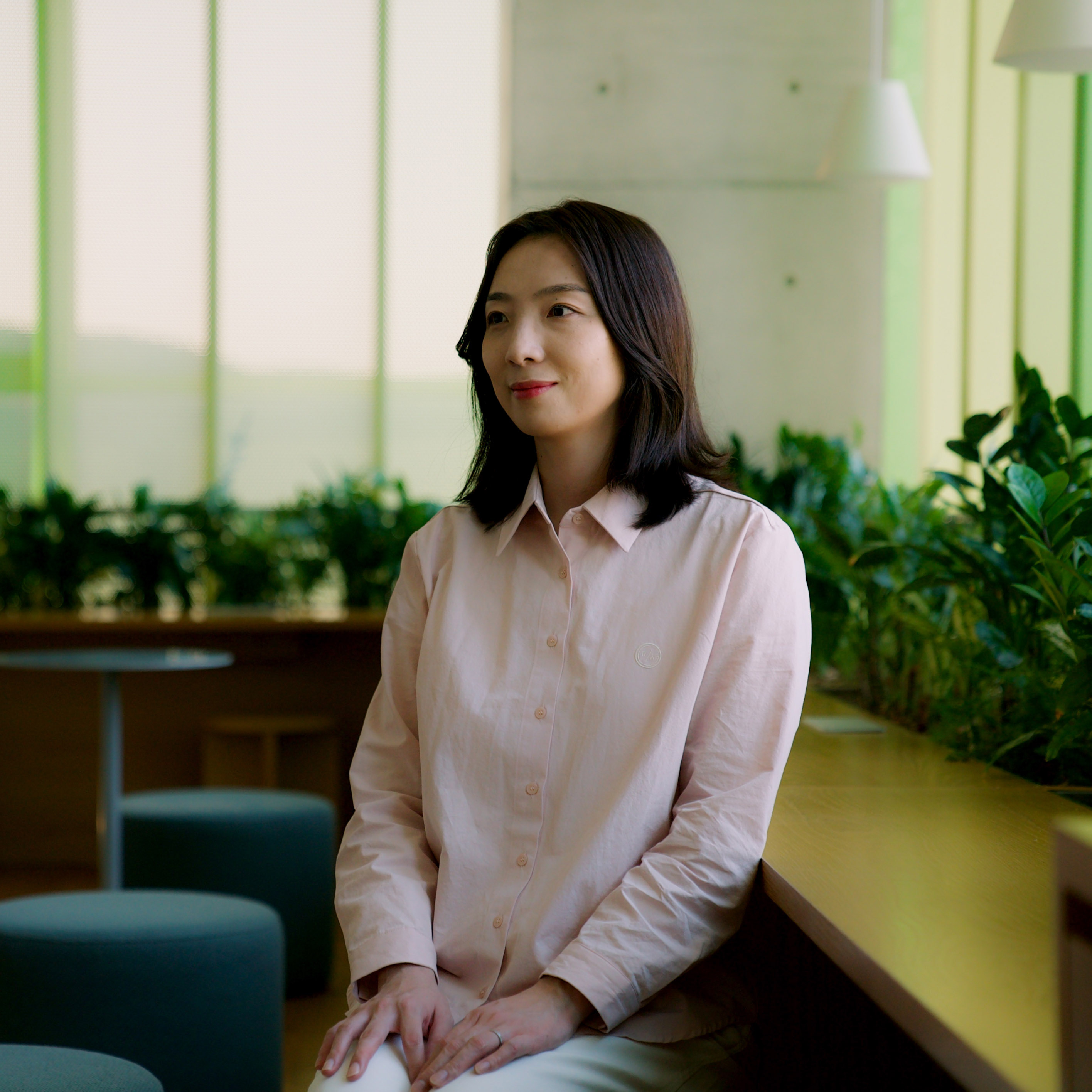
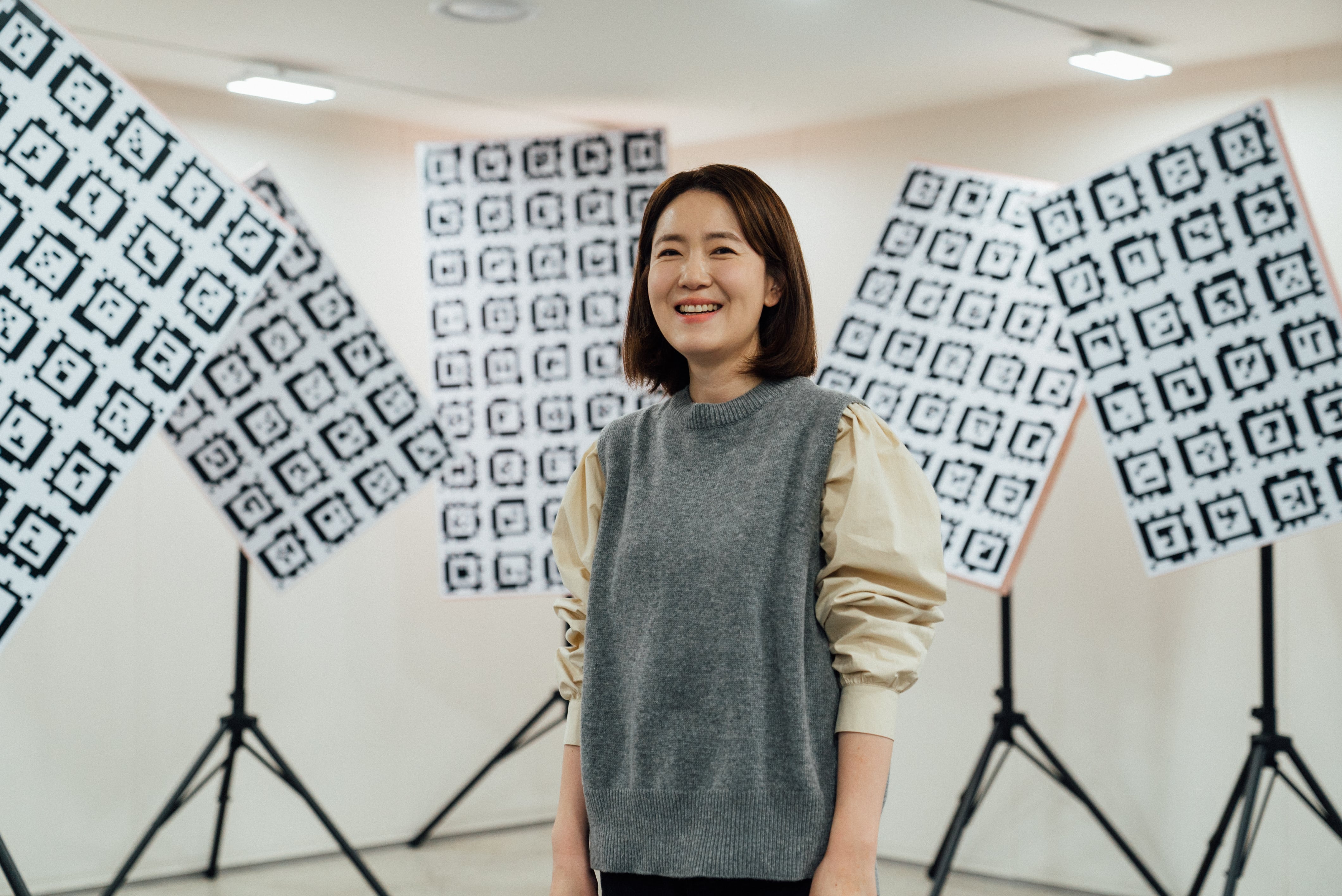
Kim Soo-jung has eight years of experience working as a developer at NAVER LABS, starting from the company's inception of autonomous driving research. Ever since NAVER LABS obtained the first temporary permit for autonomous driving in the domestic IT industry, she has steadily gained experience in developing the company’s own core technologies. Her research roadmap extends beyond the scope of vehicle movement technology; it encompasses the broader world. Currently, her team's primary focus is advancing the digital twin technology (replicating the real world in a digital form) developed for autonomous vehicles to be used for practical applications for humans as well. This includes integrating autonomous driving maps into regular navigation systems to provide precise lane-level guidance and using large city-level digital twins for disaster simulations, enabling the preparation of events such as heavy rain or heat waves. "I firmly believe that the technology we initiated with autonomous driving can transform daily life." As a member of the autonomous driving team, this is the reason why she thinks about going beyond vehicles and expanding the application of these technologies so that they can benefit humans.

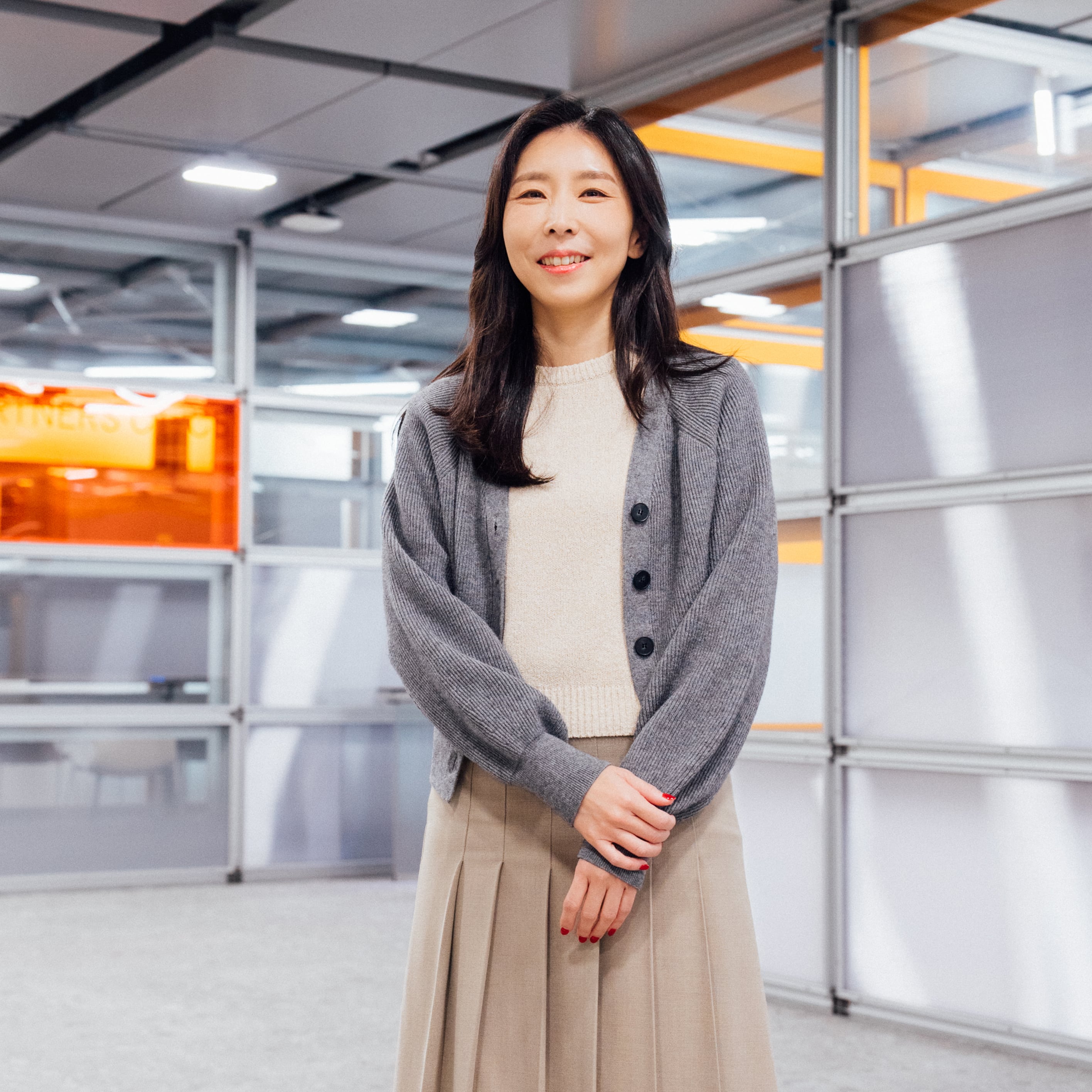
김수정님 이미지1
You’ve been working at NAVER LABS since the beginning of its autonomous driving research. Tell us more about this journey.

During my Ph.D. program, I conducted research on 3D vision, which means reconstruction of 3D information from two or multiple images. I had a strong desire to work in a place where I could generate my own data and use that data for various purposes, rather than being based in a manufacturing company. When I first joined the company, deep learning was emerging, and I believed that data, which is the core of deep learning, would become crucial in all fields. I considered autonomous driving to be no exception, which is why I decided to join NAVER LABS.

I’m sure there were expectations, but at the same time, concerns about joining from the beginning.

Autonomous driving technology is often referred to as a form of synthetic art. It involves a multitude of software algorithms, such as localization to estimate the current location, perception to identify the surrounding environment, planning to generate the optimal route to a given destination, and control to effectively follow the given route. Furthermore, all of these softwares need to operate very organically within the vehicle, in other words, a hardware platform. This is what makes the technology highly fascinating, as it involves the interaction of many people and various fields. When I embarked on this research, there was a sense of excitement about delving into this area, alongside a mixture of anticipation and concern about whether it would truly succeed.

NAVER LABS obtained the first temporary autonomous driving permit in IT industry in 2017. How is the situation now?

Great colleagues have joined each module, and as we continue to expand our technology and lay the groundwork, we have been building up the core technologies of NAVER LABS one by one. Currently, we have secured autonomous driving technology that covers indoors and outdoors, starting from the parking lot in 1784, NAVER’s new office building. Additionally, we are actively preparing for the operation of fully autonomous shuttle buses that will operate from the soon-to-be-completed second data center. When I initially joined the team and began my research, I had doubts about the potential for success. However, as my colleagues and I overcame various challenges, both significant and minor, my mindset shifted to "It can be done," although there are still institutional and technical hurdles to overcome.

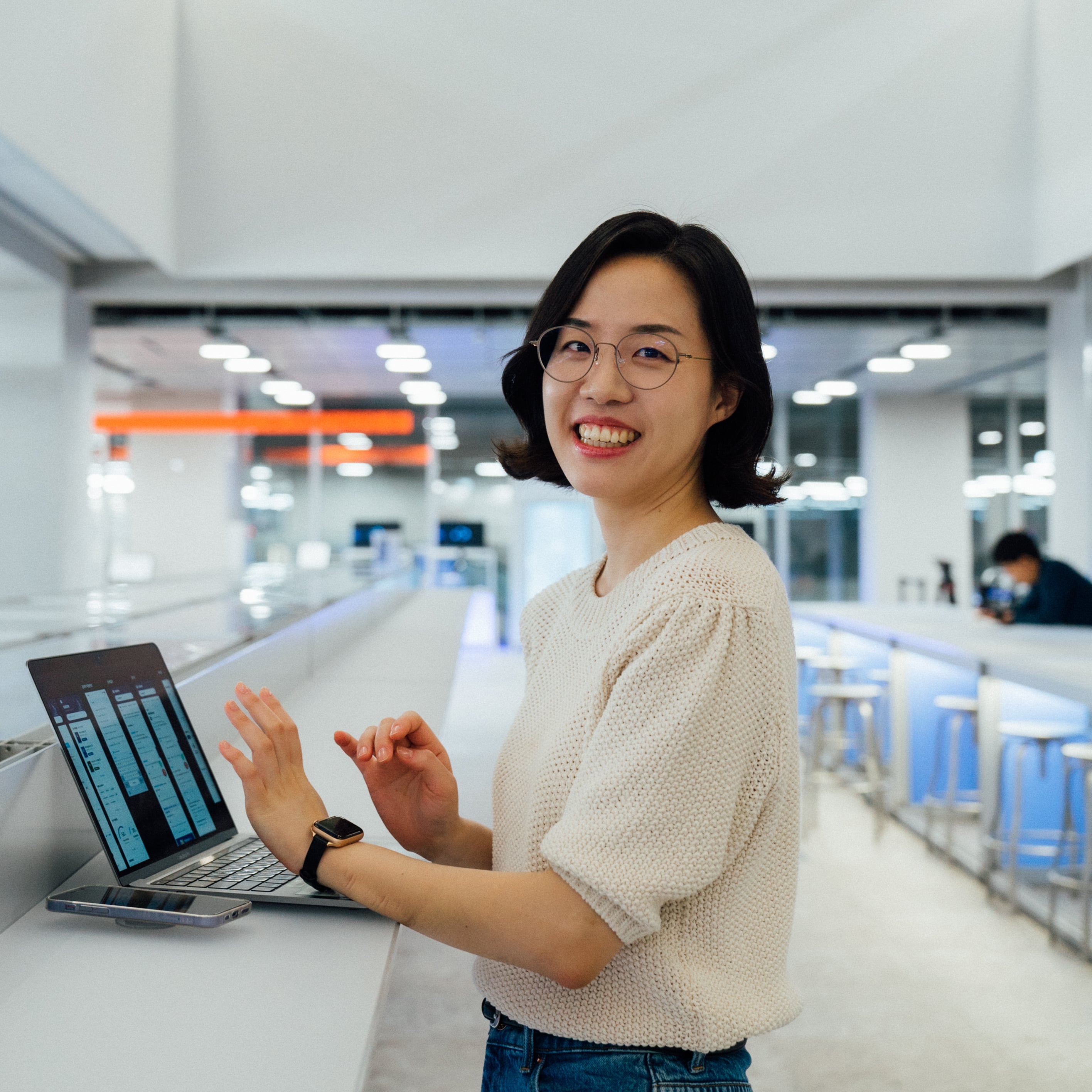
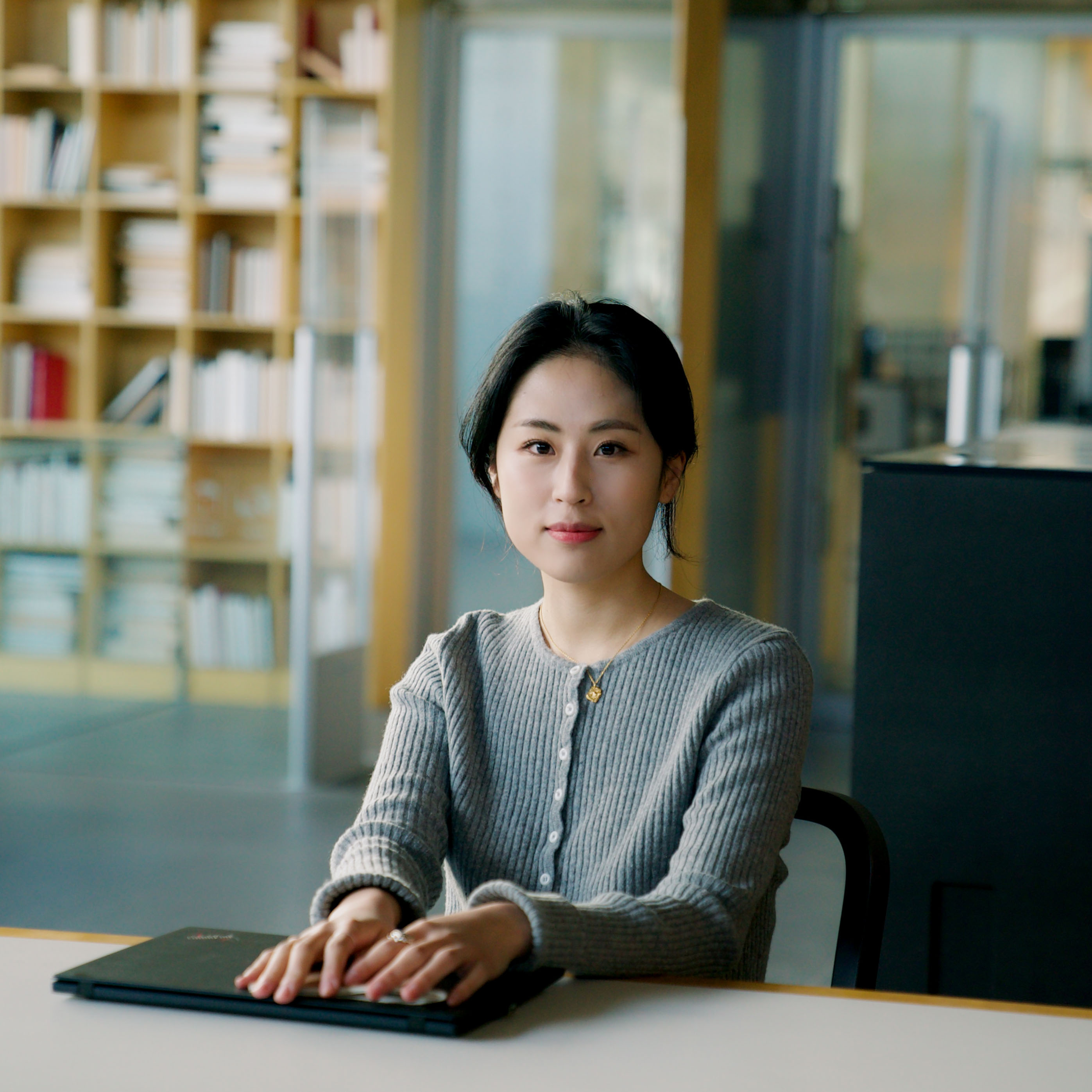
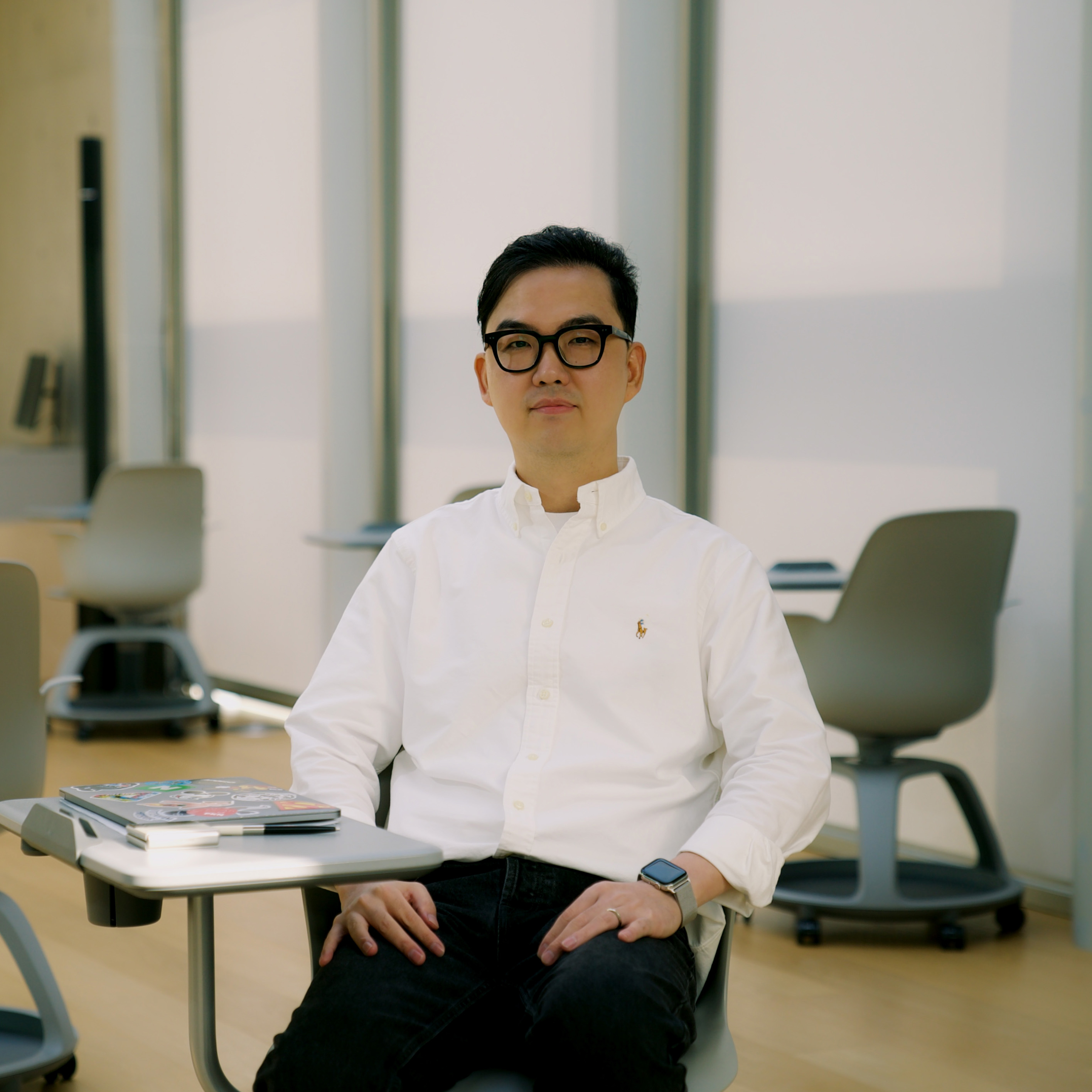
김수정님 이미지2

“Autonomous driving is not just limited to the technology of moving vehicles. It can also expand into various services that can be helpful in our lives.”

Tell us about your current task in the On-Road Intelligence team.

We are currently researching ways to leverage autonomous driving technology not only for vehicles but also for services that benefit humans. Our team has been advancing autonomous driving technology by digitizing physical spaces and developing exceptional technologies that can recognize various environments on the road. Among those technologies, there are many valuable ones that could be used beyond autonomous driving. One of them is the "digital twin," a three-dimensional reconstruction of urban areas obtained during the process of generating maps for autonomous driving. It provides digitalized data of the real world, including lane-level road information and the surrounding environment, which is required for autonomous driving. We believe that this data can be incredibly useful not only for autonomous driving but also for services catering to humans, and we are actively researching the directions for its usage.

Please tell us more about how digital twin technology can be used in services to benefit humans.

Let me share some examples. Meticulously constructed map data at the lane level can be used in the AR navigation system within vehicles to provide lane-level route guidance in complex urban road environments. Additionally, through 3D geographic information, digital twin technology can be used to anticipate and prepare for flood-prone areas in case of heavy rainfalls. Furthermore, the technology can also provide information on unexplored areas in advance by offering immersive 3D views.

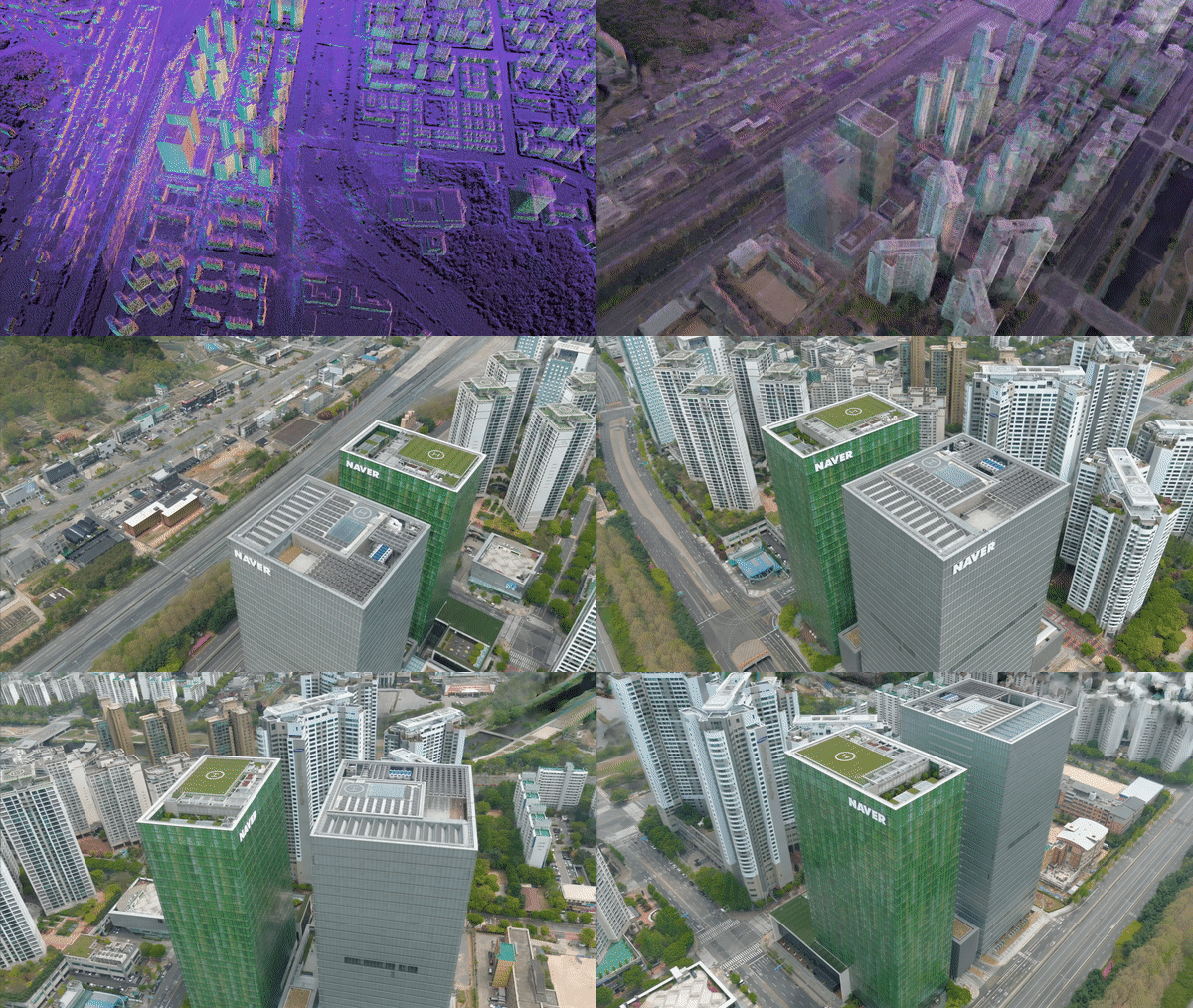
1784 신사옥 뉴럴 렌더링 뷰

1784 New Building Neural Rendering View

The technologies developed by NAVER LABS have the potential to go beyond simply moving autonomous vehicles from point A to point B. They can serve as a bridge to connect online and offline domains and can be utilized in various ways. Based on this possibility, we are actively exploring and researching ways to integrate the technologies into actual NAVER services.

There must have been some difficult moments during the process of creating new technologies. Could you share some of those moments?

As our work always involves looking towards the future and researching and developing cutting-edge technologies, it can be exciting and thrilling. However, since each step of the process is challenging, we often encounter difficulties along the way. Consequently, there are times it becomes tough to figure out where and how to start when we only have vague and ambitious goals in mind. That's why I tend to break down these goals into smaller, achievable steps. I focus on what I can immediately accomplish. Once I realize the first small step is working, I move on to the next, repeating this process continuously. If we are obsessed with being perfect right from the first attempt, it becomes difficult to even start. Therefore, I strive to achieve good results by being flexible and adjusting goals as needed at each stage.

What changes do you think autonomous driving will bring to our daily lives?

When there are technical advancements, I believe that the advanced technologies will permeate into our lives, naturally bringing about changes in our lifestyles. Think of how our lifestyle drastically changed before and after the advent of smartphones. In today’s world, smartphones have become an integral part of our daily lives. Similarly, I am confident that autonomous driving is one of the technologies that will change our lives. While autonomous driving is commonly associated only with transportation methods like vehicles, it can also be applied to the mobility of space itself. For example, stores or warehouses that we need could be mobile. If spaces can move autonomously, I believe the shape of our urban areas will undergo significant transformations. While it may still feel somewhat like a fantasy at this point, these changes will undoubtedly occur. I think that autonomous driving technology will not only surpass the idea of "not having to drive the vehicle myself" but also fundamentally reshape the very essence of our lives.

“Someone who strives until the end and gives their all. Someone who thinks about whether there’s anything more to do until the very end. I think these aspects define a competent worker.”

What does it mean to be good at your job?

I think a competent worker is someone who strives until the end and gives their all. Even in situations where they can wrap up a task at a certain stage, I believe that a person who thinks about whether there's anything else they can do better at that moment and carries on until the end is someone who excels at their work. Many of my colleagues around me are like that. They are sincere in what they do, always striving to give 100% or even 200% of their capabilities to the tasks they undertake. Because our team members and colleagues all have this tendency, I think to myself, "A person who strives until the end and gives their all is someone who does their work well."

Do you have a particular habit or routine that comes with the job?

Since I'm researching autonomous driving technology, at times when I look out at the road from my living room, my attention is constantly drawn to things like road markers or lanes. And the same when I go outside. Additionally, as we are currently researching technologies that utilize digital twin data to create immersive virtual worlds that would make people feel like they are in a real 3D space, wherever I go, I find myself instinctively scanning and thinking, "This place would look great if it were built in 3D, while this place might not have much impact." It has become a professional habit stemming from my work, and I think all of our team members would share similar experiences.

If you were given a long vacation, what would you like to do?

Personally, I would like to read a wide variety of books, even if they are not directly related to my current work. This stems from my aspiration to observe the world. While I have spent a long time studying and delving deep into a specific field, venturing out into the world made me realize how diverse the world is. After witnessing this, I came to strongly believe that while researching the technologies themselves is undoubtedly important, understanding the diverse aspects of the world is also crucial to apply those technologies in real life. That's why I am eager to read lots of books and explore the various facets of the world.

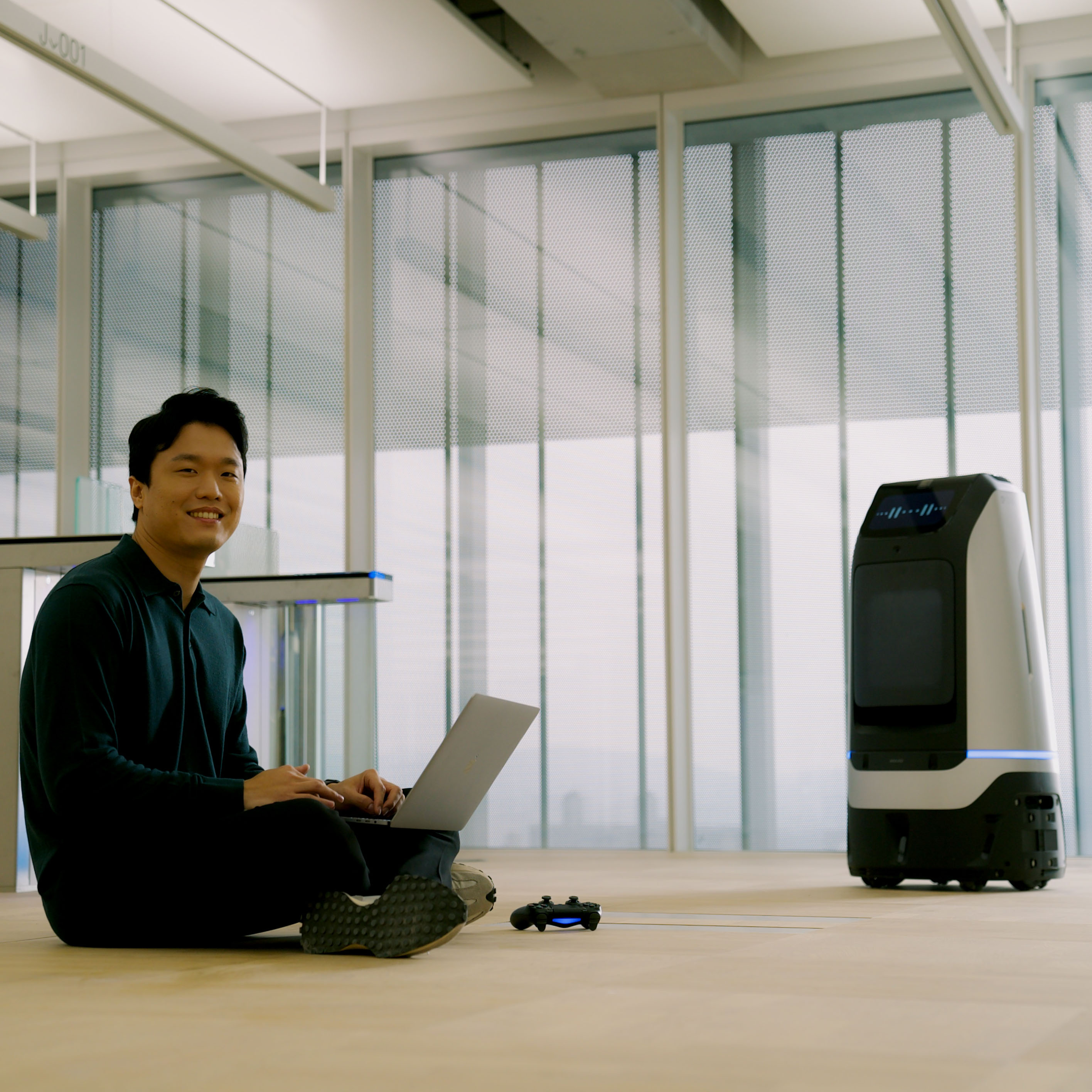
김수정님 이미지3

Published Feb. 2023
Board the Navership

Apply Apply